All Categories
Featured

Securing Family Financial Security Through Life Insurance
Table of Contents
Nearly 24 million Americans get medical insurance through the ACA federal and state marketplaces. About 154 million working-age adults and their households get coverage through the workplace, which stays the backbone of the country's health insurance coverage system. KFF reported trends in company medical insurance benefits based on a survey of 1,862 nonfederal public and private companies.
The 6% rise in household medical insurance this year is a little less than the 7% hikes in 2023 and 2024. Over the previous 5 years, the cost tag for a family medical insurance plan leapt by 26%. Employers cited prescription drug spending as one aspect driving insurance expenses higher recently.
About 43% of employers with 5,000 or more workers covered glucagon-like peptide 1, or GLP-1, medications for weight-loss. And the majority of those companies said covering these weight-loss medications had a "significant" influence on the health insurance plan prescription drug spending. Smaller business were less likely to cover these weight-loss medications, the study said.
Insurance in Stanton CA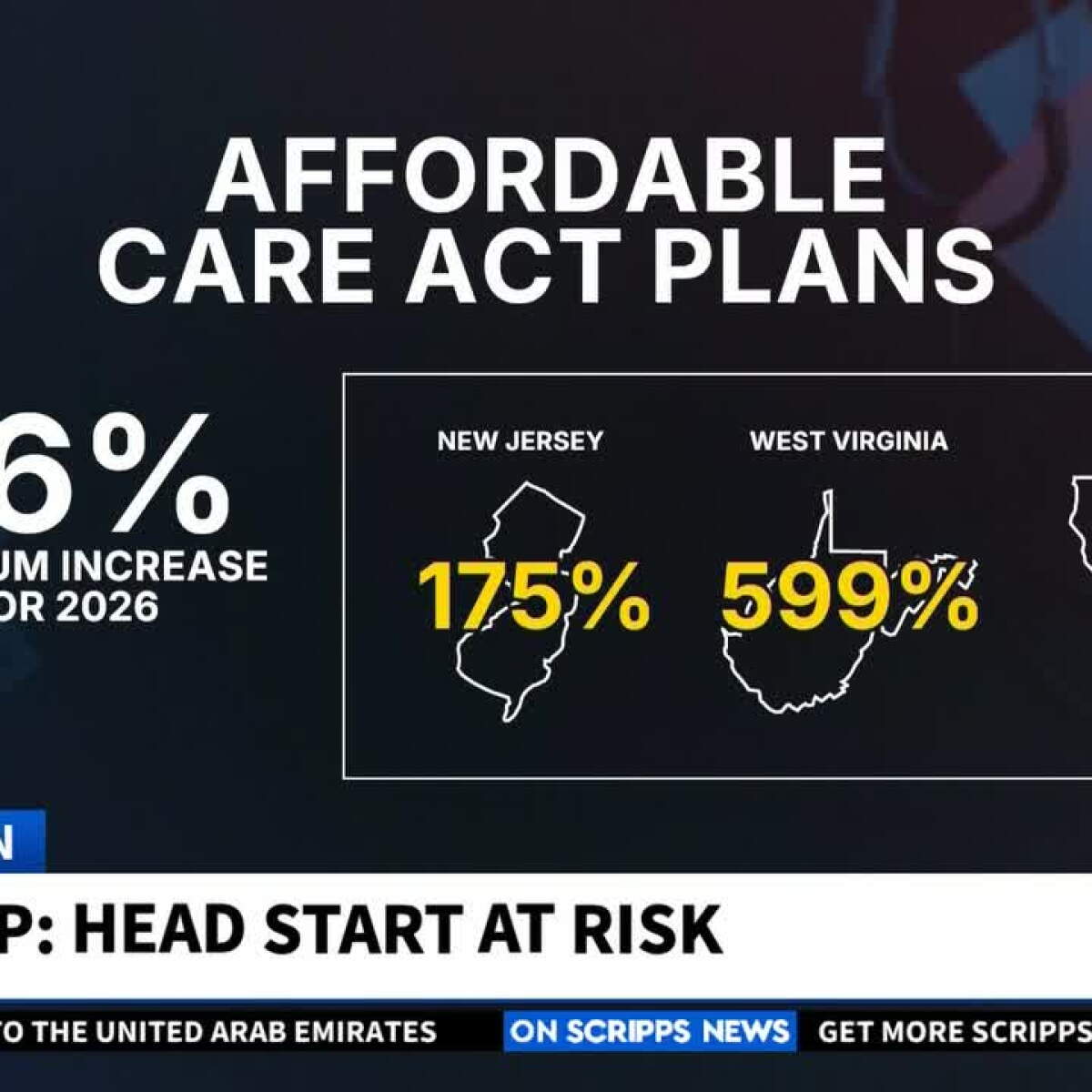
In addition to prescription drug spending, companies with 200 or more employees pointed out other factors behind greater insurance coverage costs, which rise when investing in medical care increases. The study said 30% of employers named chronic illness, 26% cited higher usage of services and 22% stated medical facility prices accelerated the cost of medical insurance.
Insurance in Stanton CAThe average deductible was $1,886, which implies consumers need to pay that much before many protection kicks in. Deductibles have actually jumped 17% considering that 2020, the survey stated.
Building Long-Term Financial Security With Life Insurance
About two in three business need employees make a copayment when checking out a primary-care physician. The average copay was $27 for a medical care medical professional and $45 for an expert. And about 1 in 5 business required employees to pay a portion of the costs. Rae said there is a "remarkable quantity of variation throughout employers" so workers might see plans that are far various from the averages defined in KFF's study.
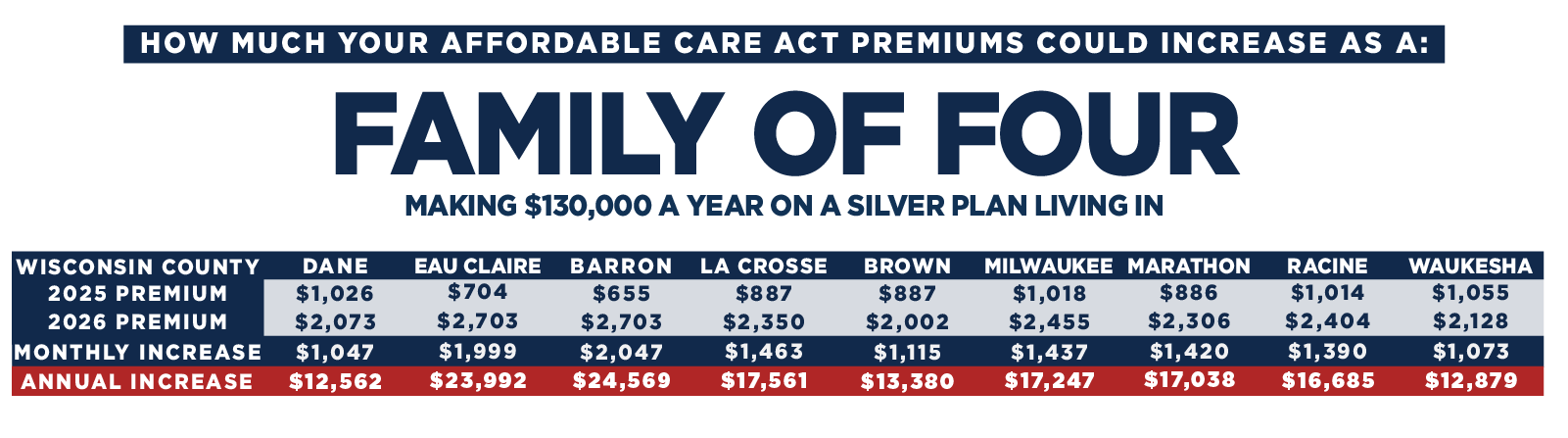
The ACA changes might create modest extra cost savings or increase primary deficits by, depending on the design. To lower health care costs, the plan would: In recent months, the Trump Administration has actually signed numerous arrangements with pharmaceutical companies where they consent to set particular drug prices at the low price offered in some other nations, normally for Medicaid.
The plan calls for allowing more pharmaceuticals to be available over the counter to consumers, rather than needing a prescription. This proposition would likely reduce premiums and federal subsidies in part by making these drug purchases fully out-of-pocket (insurance coverage does not usually cover non-prescription drugs) and by reducing physician's sees related to getting prescriptions.
Additionally, it would require all insurers to post clearer information, consisting of "plain English" declarations on rates and protection, company revenues and claims paid, and tallies of turned down claims, to name a few things. Providers and insurers would also be required to react plainly to concerns about rates. This extra price transparency might modestly reduce overall healthcare costs. Taken together, we estimate these modifications are most likely to conserve about $50 billion though the actual cost savings will depend upon information.
The ACA changes might generate modest extra savings or increase primary deficits by, depending on the style. To lower health care costs, the plan would: In recent months, the Trump Administration has signed a number of agreements with pharmaceutical business where they consent to set particular drug costs at the low cost offered in some other countries, typically for Medicaid.
Accessing New Life Insurance Rates for Veterans
The strategy requires permitting more pharmaceuticals to be readily available non-prescription to customers, instead of needing a prescription. This proposal would likely lower premiums and federal aids in part by making these drug purchases totally out-of-pocket (insurance does not typically cover over-the-counter drugs) and by minimizing medical professional's sees associated to getting prescriptions.
The Trump Great Healthcare Plan calls for moneying Cost-Sharing Decreases (CSRs) under the ACA. Funding CSRs would restore payments to health insurance companies to cover their cost, ending "silver loading" and minimizing gross premiums and as an outcome premium aids for strategies on the ACA exchanges.: PBMs are intermediaries that work out drug rates with producers and drug stores. Furthermore, it would require all insurance companies to publish clearer details, including "plain English" statements on rates and coverage, business profits and claims paid, and tallies of rejected claims, among other things. Service providers and insurance providers would also be required to react plainly to questions about rates.

Latest Posts
Securing Family Financial Security Through Life Insurance
Understanding Whole and Term Life Insurance Strategies

Top 2026 Medicare Advantage Plans